
Tiffany McLeggon | We can’t afford to be silent
Published:Monday | February 17, 2025 | 10:22 AM

On February 6, 14-year-old Price Johnson was brutally taken from us. Her life, filled with promise and potential, was cut short in a way that no child, woman, or human being should ever endure. Her tragic death is yet another painful reminder of a reality that we, as Jamaicans, know all too well, violence against women and girls is an unrelenting crisis.
How many more names will we have add to this trauma? How many more vigils will we have to hold? How many more young girls will have their futures stolen before, as a nation, say enough is enough?
We often hear that it takes a village to raise a child, but where is the village when our daughters, sisters, and mothers need protection? Where are our brothers’ keepers? Too many of us have become numb to the violence, dismissing it as just another headline, just another tragedy in a long, endless cycle. But we cannot afford to look away.
As a young Jamaican woman, I refuse to accept this as our norm. We must rise to the call of being our brothers’ and sisters’ keepers, of standing up for each other, of rejecting a culture that excuses or ignores abuse. The Bible reminds us in Proverbs 31:8-9: “Speak up for those who cannot speak for themselves, for the rights of all who are destitute. Speak up and judge fairly; defend the rights of the poor and needy.” Silence is complicity. If we do nothing, we are allowing this darkness to thrive.
EMBEDDED IN DAILY LIVES
Violence against women and girls is not just about the gruesome headlines; it is embedded in our daily lives. It is the catcalls on the street, the dismissive attitude towards victims, the toxic masculinity that makes some men believe they have ownership over women’s bodies. It is the silence in homes where abuse is a well-kept family secret, and the whispers of “she must have done something to deserve it” when a woman dares to speak out.
We need action, real action. This means holding abusers accountable, changing the way we raise our boys to see women as equals and not objects, and fostering a society where reporting violence is met with support, not shame. It means men taking responsibility, not just in their homes but in their communities, to protect, to guide, and to intervene when they see wrongdoing. It means each of us looking out for one another, because this is not just a women’s issue–it is a Jamaican issue, a human issue.
At the same time, we must acknowledge that men are also victims of violence. While women and girls disproportionately bear the brunt of gender-based violence, many men and boys also suffer in silence. This is why our approach must be holistic, ensuring that all victims, regardless of gender, receive the protection and support they need. We must challenge harmful societal norms that discourage men from expressing vulnerability or seeking help. Being our brothers’ keeper means standing up for each other, regardless of gender, and creating a Jamaica where no one has to live in fear.
The statistics paint a grim picture, but behind every number is a person, a life, a dream unrealised. According to reports, Jamaica has one of the highest rates of gender-based violence in the Caribbean, with many cases going unreported due to fear, stigma, or lack of trust in the system. We must demand better. Our justice system must do better. We must ensure that protective mechanisms are accessible, that our girls feel safe in schools, on the streets, in their own homes.
Faith without works is dead (James 2:26). It is not enough to pray and hope for change, we must work for it. We must be intentional in the ways we address this crisis. Churches, schools, community leaders, everyone must take a stand. Programmes that teach young men about healthy masculinity and respect for women must be prioritised. Women must be believed when they come forward with their stories. The government must strengthen laws and ensure swift justice for victims.
STARTS WITH US
But change does not start only with the policymakers; it starts with us. It starts with men calling out their friends for inappropriate behaviour. It starts with women supporting each other instead of tearing each other down. It starts with parents teaching their sons that respect is not optional. It starts with each of us choosing to no longer be bystanders.
We must also recognise that gender-based violence does not exist in a vacuum. Economic struggles, lack of education, and systemic failures contribute to the vulnerability of many women and girls. Addressing violence means addressing these root causes, empowering women with economic independence, improving access to education, and ensuring that resources are available for those in need.
This is not just about the women we have lost; it is about the women we can still save. We owe it to Price Johnson and all the others who never got a chance to grow up, to dream, to live. We owe it to the next generation of girls who deserve to walk this land freely, without fear.
We cannot let Price Johnson’s name, or the names of countless others, fade into the background. Let this be the moment where we say, with conviction, that we will not tolerate another life lost to violence. Let us be our brothers’ and sisters’ keepers, because if we don’t, who will?
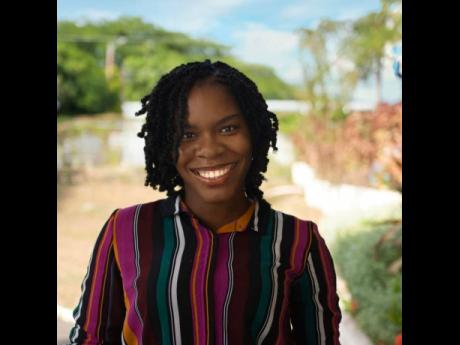
Tiffany McLeggon is a youth leader and communications professional. Send feedback to mcleggontiffany@gmail.com