
FirstRock urges climate-resilient homes amid rising heat challenges
Published:Thursday | August 17, 2023 | 12:08 AM

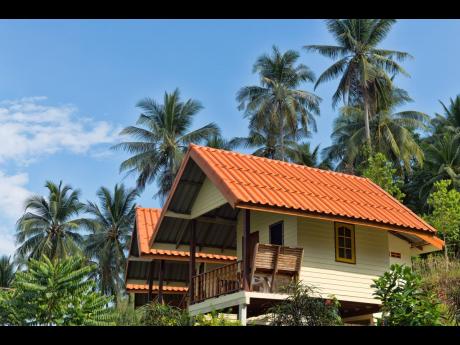
AS THE relentless summer heat continues to test our communities, Denroy Pusey, assistant vice president of Real Estate Business at FirstRock Group, is resolute in his mission to tackle a pressing issue affecting every potential homeowner: Heat safety and climate resilience.’
With the escalating effects of climate change, extreme heat has emerged as a grave concern for homeowners worldwide. It is time, he said, to reimagine real estate and construct climate-resilient, sustainable homes where comfort and safety take precedence.
Climate change has a profound impact on the real estate market globally. Jamaica being in the tropical region, however, is even more exposed to the effects of these changes. Real estate assets are exposed to acute physical hazards stemming from climate change, such as tropical cyclones, wildfires and floods, which can cause immediate and substantial damage,” Pusey said.
“In addition, the constant rise in global temperatures is a call for concern and can negatively impact new and existing buildings. The need for integration of physical considerations during construction is therefore necessary in mitigating the risks associated with climatic conditions,” he added.
Unlike other types of physical damage, the effects of excessive heat, he said, are not sudden; however, they can make any habitable space extremely miserable. Intense solar exposure, he said, compromises a building’s interior and exterior materials as well as its inhabitants.
“In Jamaica, especially in recent times, we are experiencing more frequent heat events even outside of the regular summer period, and as such, protecting the users of the space, whether residential or commercial, is of utmost importance to reduce the effects of severe heat,” Pusey said.
“In addition, heat can cause significant damage to the outside structure of housing. Paint can bubble and chip, timber sidings can shrink, and roofs can warp and crack. Occupants may be affected by heat stress, and the combination of heat and humidity can challenge the integrity of any building’s structure, causing issues like mould, mildew, and even termite infestations,” he added.
The built environment, he said, greatly influences people’s experiences as a space is provided for them to visit, work, play, and live. With thoughtful design and consideration of temperature-related risks, developers can mitigate the adverse effects of heat to sustain operations during extreme events and lower energy costs owing to more energy-efficient components and materials.
There are several features associated with resilient building projects; however, concerning heat resilience, the following considerations, he said, could be incorporated into the design to reduce the effects of heat exposure, greenhouse gas emissions, and other natural factors:
EFFICIENT ENERGY SAVING SYSTEMS:
During natural disasters or any other related emergency, power and water supplies could be adversely affected. Constructing an energy- and water-efficient home increases resilience under extreme circumstances through the employment of independent solar and rainwater catchment and treatment systems.
ABILITY TO REFLECT HEAT
Add heat control window film to reflect sunlight without compromising your view. Dark colours naturally absorb heat and raise building temperatures, as opposed to lighter colours that reflect and reduce heat, which will, in turn, drastically help to reduce the building’s heat footprint.
PROPER VENTILATION
Traditional, manually operated windows and vents are essential to creating climate resilience in a home (passive ventilation). In the absence of these, buildings are forced to rely on mechanical products to stabilise and maintain temperatures, which are not only more expensive but also susceptible to failure in the event of outages.
Innovative cooling equipment considerations can be used to make buildings more sustainable; the correct thermal system is integral to achieving maximum energy efficiency.
• GEOTHERMAL COOLING EQUIPMENT
The use of geothermal cooling equipment has been employed because much of the needed energy may be collected and stored from readily available sources. This method also uses up to 50 per cent less electricity than conventional AC units.
• EVAPORATIVE COOLERS
Install evaporative coolers, also called swamp coolers, as opposed to central air conditioning systems. Outdoor air is passed over water-saturated pads, and then the water in the pads evaporates, reducing the air temperature by 15° to 40°F before it is directed into the building.
• ENERGY-EFFICIENT APPLIANCES
Purchase energy-efficient appliances and configure them for warm summer weather. Check your refrigerator’s temperature and ensure there is adequate ventilation space. Clean dust from cooling coils to prevent overheating.
* SHADE
Heat-Adaptive Landscape Techniques to create additional shade to keep heat out using eaves, awnings, covered balconies, pergolas, and plants or trees can also be utilised. Ephemeral trees are a great option because they provide sufficient cover in warm months but allow exposure and lighting in cooler times when they shed leaves.
In addition to the building design, your surroundings can affect the heat risk. Densely populated urban areas with numerous pavements, buildings, and other surfaces trap and retain heat. The decision should be made to purchase or erect buildings in areas with sufficient open spaces and vegetated shoulders.
Adding to the insightful pointers, Pusey indicated that choosing to invest in real estate is an important decision and should be treated as such to maximise your profits. “Sustainable real estate encompasses the complete life cycle of a project, including operation and maintenance post-construction. It is important that adequate consideration is taken when deciding where to focus investment within the real estate market,” he said.
There are several benefits to investing in sustainable real estate:
• OPERATIONAL COST
Sustainable buildings are designed to conserve resources more efficiently, thus lowering the costs associated with cooling the building.
• LOWER CARBON FOOTPRINT
Investing in sustainable real estate reduces the carbon emissions released and prevents negative impacts post-construction and beyond.
• HEALTHY ENVIRONMENTS
Due to the use of less pollutive building methods, reduced use of toxic paint and insulation materials, and less labour-intensive maintenance requirements, more wellness spaces for both humans and the environment are created.
• RESALE VALUE
Buildings that meet current sustainability standards and include modern infrastructure and efficient equipment generally gain higher resale value.
• INCREASED COMMUNITY RESILIENCE
Sustainable buildings support community resilience to withstand the impacts of climate change by conserving natural resources.
“As an investor or homebuyer, it is very important that extensive research be done on sustainable real estate to influence strategic decision-making and yield the maximum return on investment,” Pusey said.