
Earth Today | Freshwater worries
Report flags need to protect, restore ecosystems
Published:Thursday | August 29, 2024 | 12:07 AM

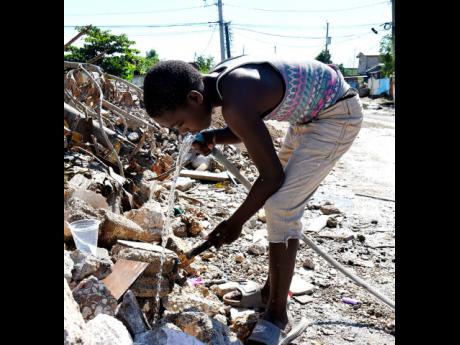
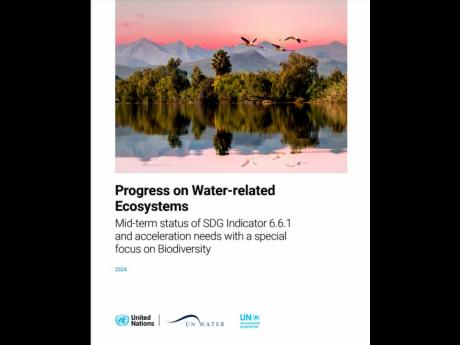
A RECENT report from the United Nations Environment Programme (UNEP) has suggested that some countries may be slipping when it comes to the prioritised restoration and protection of freshwater ecosystems – with potentially grave consequences for their human populations and nature.
Titled Progress on Water-related Ecosystems: Mid-term status of SDG Indicator 6.6.1 and acceleration needs with a special focus on biodiversity, the 2024 report is one in the triennial series of reports focused on the progress towards achieving Sustainable Development Goal (SDG) 6, “clean water and sanitation for all”.
According to the report, “ following the introduction of newly available data on water quality within the recent observation period (2017-2021), the number of countries categorised with having degraded freshwater ecosystems rises by 19 per cent, and a resultant 50 per cent of countries are currently observed as having one or more water-related ecosystem type in a state of degradation”.
The consequences, the report said, are troubling.
“ The degradation of freshwater ecosystems, characterised by changes in the quantity and quality of water and/or loss of ecosystem area, directly impacts opportunities to develop sustainably and for nature to survive and thrive,” it said.
“ The number of countries with degraded freshwater ecosystems is concerning because healthy and functioning freshwater ecosystems are essential for ensuring water and food security, mitigating climate impacts, and preserving biodiversity, as well as providing a broad range of ecosystem goods and services to society and the planet,” it added.
Further, for people, degraded freshwater ecosystems mean the loss of available drinking water – and with a range of knock-on effects, including increased “the time and effort of women and girls who often bear the primary responsibility for collecting water, affecting their health, education, and economic opportunities”. This is in addition to “reducing capacity to sustainably irrigate food crops, and an increase in the severity and frequency of climate change impacts”.
“ For nature, freshwater ecosystem degradation can be catastrophic and, for example, has resulted in an enormous decline in freshwater species populations globally – 83 per cent since 1970 – and with 25 per cent of the world’s freshwater fish species now threatened with extinction due to changes in streamflow patterns, pollution, overfishing, climate change, and invasive alien species,” the UNEP report said.
“ Migratory animals, particularly migratory birds rely on the continued function of healthy freshwater ecosystems to survive but as recently reported in UNEP’s State of World Migratory Species report, half of the biodiversity areas needed for migratory species are not protected, with exploitation and habitat loss cited as the two greatest threats to migratory species’ survival,” it added.
The time to act, the report said, is now.
“ Limiting degradation of water-related ecosystems is achievable but requires Member States to include action on those ecosystems in the protection and restoration plans and policies that they develop according to SDG Target 6.6. To achieve this, it is important for environmental authorities to be able to communicate the value of ecosystems to various economic sectors and in disaster risk reduction. Applying frameworks such as integrated water resources management ( IWRM, SDG 6.5.1) and the Water-Energy-Food-Ecosystems Nexus supports these objectives,” it said.
At the same time, it noted that the interdependent and interconnected nature of freshwater ecosystems means that actions taken to address ecosystem degradation “must ensure all freshwater ecosystems remain hydrologically connected, across rivers, lakes, wetlands, and groundwater systems”.