
Revival Council launched to mark historic UNESCO recognition
Published:Monday | June 2, 2025 | 12:08 AM
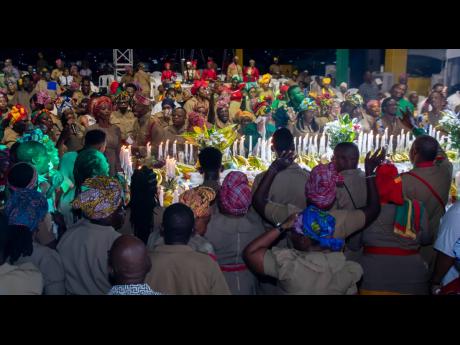




The powerful sound of drums, praise, and African rhythms echoed across the lawns of the Ranny Williams Entertainment Centre last Wednesday as Jamaica officially launched the United Zion Revival Council of Churches. The launch marked the historic recognition of Revival culture by UNESCO, celebrating the inscription of the Pilgrimage to Watt Town — an annual spiritual tradition of Jamaican Revivalists — on UNESCO’s Intangible Cultural Heritage List in December 2024.
The event, which featured the inaugural National Revival Conference and Church Service, brought together Revivalists from across the island and the diaspora, uniting the movement under a shared commitment to preserving and promoting this sacred heritage.
Organised by the United Zion Revival Council of Churches, in partnership with the Ministry of Culture, Gender, Entertainment and Sport, the event was more than a conference — it was a powerful expression of unity, pride, and national identity. The date, May 28, held added significance as it marked the anniversary of the birth and passing of former Prime Minister Edward Seaga, whose scholarly work was instrumental in elevating Revivalism and preserving Jamaica’s folk and traditional culture.
“Revivalism will not be forgotten,” declared Olivia Grange, minister of culture, gender, entertainment and sport. “This faith tradition has survived slavery, colonial prejudice, and societal shame. From hidden worship to national celebration — what an extraordinary journey!”
Grange reaffirmed the Government’s commitment to protecting African-Jamaican religious traditions and condemned outdated colonial narratives that have long distorted public understanding of Revivalism.
“We are no longer a colonised people. It’s time to shed the colonial lens and see Revivalism for what it truly is — a vibrant expression of African-Jamaican resilience and faith. Our people should never again feel ashamed of who we are.”
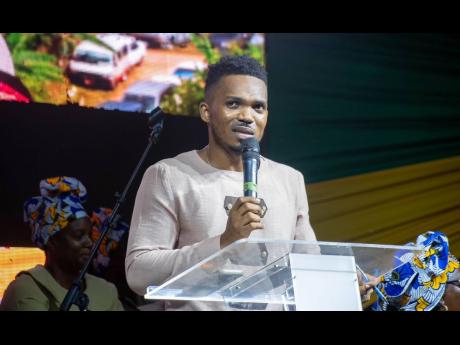
The conference featured presentations and spirited discussions on the roots and relevance of Revivalism in contemporary Jamaica. Keynote speaker Professor Clinton Hutton highlighted its global significance and enduring impact on Jamaican identity. A central theme was the need to dispel myths surrounding Revivalism — a faith born from the fusion of African spirituality and Christianity during slavery.
Alexander Shaw, chairman of the Conference Planning Committee and a practising attorney, addressed the misconceptions that have shaped public perception.
WORSHIP PRACTICES OUTLAWED
“There was an attempt to sterilise anything African in our society. The worship practices of our ancestors were outlawed. That’s where the misunderstanding began.”
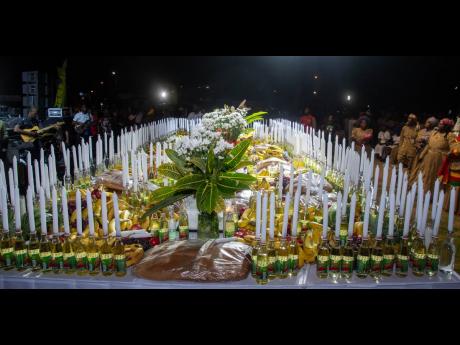
Grange also participated in the ceremonial candle lighting during the church service, and called the event “a demonstration of religious resilience and a moment of hope and unity for Revivalists”. She praised the growing international recognition of Revivalism, calling it “an international treasure”, and urged Jamaicans to proudly embrace their African heritage.
Desmond McKenzie, minister of local government and deputy leader of the Jamaica Labour Party, also took part in the day’s activities and expressed confidence in the future of Revivalism.
Addressing the audience, he said, “When I look around tonight, I can safely say that Revivalism is safe and in good hands. These are no longer days when only the older folks gather around the table. Today, we are seeing a vibrant new generation getting involved … . I urge everyone to hold fast to this faith and cherish its place in our cultural and spiritual lives.”
Dr Kirt Henry, director of the African Caribbean Institute of Jamaica/Jamaica Memory Bank (ACIJ/JMB), which also played a key role in organising the event, expressed satisfaction with the turnout and overall impact. He shared optimism for an even larger conference next year, and extended heartfelt thanks to all stakeholders and partners for their continued support.
Adding further richness to the day’s programme were distinguished guests from diverse Christian traditions, reflecting broad ecumenical support and regional solidarity, who delivered stirring remarks, affirming the shared heritage and spiritual kinship between Revivalists and Baptists across the Caribbean and diaspora.
Other notable guests included Archbishop Kenneth Richards, Anglican priest Father Bertram Gayle, and Roman Catholic deacon and development scientist Peter Espeut, whose presence underscored a spirit of interdenominational respect and dialogue.
Overseer Juven Guthrie, liaison director of the United Zion Revival Council of Churches, played a critical coordinating role and was instrumental in the success of the day’s proceedings.