
Data indicate omicron is milder, better at evading vaccines
Published:Tuesday | December 14, 2021 | 9:31 AM
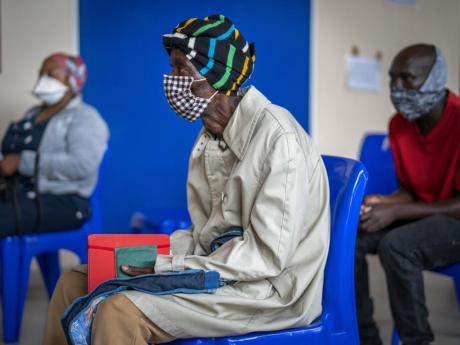
JOHANNESBURG (AP) — The omicron variant appears to cause less severe disease than previous versions of the coronavirus, and the Pfizer vaccine seems to offer less defence against infection from it but still good protection from hospitalisation, according to an analysis of data from South Africa, where the new variant is driving a surge in infections.
While the findings released Tuesday are preliminary and have not been peer-reviewed — the gold standard in scientific research — they line up with other early data about omicron's behaviour, including that it seems to be more easily transmitted.
A two-dose Pfizer-BioNTech vaccination appeared to provide just 33% protection against infection during South Africa's current omicron wave, but 70% protection against hospitalisation, according to the analysis conducted by Discovery Health, South Africa's largest private health insurer, and the South African Medical Research Council.
The data were gathered from November 15 to December 7, during which time omicron was first spotted by scientists in South Africa and Botswana, and may change as time passes.
Experts now say that omicron accounts for more than 90% of all new infections in South Africa, according to Discovery Health chief executive Dr. Ryan Noach.
Researchers around the world are rushing to figure out what omicron will mean for the coronavirus pandemic now well into its second year.
More information came Tuesday from Pfizer, which announced that its experimental pill to treat COVID-19 — separate from it its vaccine — appears effective against the new variant.
The company also said full results of its 2,250-person study confirmed the pill's promising early results against the virus: The drug reduced combined hospitalisations and deaths by about 89% among high-risk adults when taken shortly after initial virus symptoms. Separate laboratory testing shows the drug retains its potency against the omicron variant.
In the weeks since omicron was detected, South Africa has experienced rapid spread of the virus — concentrated in its most populous province, Gauteng.
The seven-day rolling average of daily new cases in the country rose over the past two weeks from 8.07 new cases per 100,000 people on November 29 to 34.37 new cases per 100,000 people on December 13, according to Johns Hopkins University.
The death rate hasn't increased during that same period.
“The omicron-driven fourth wave has a significantly steeper trajectory of new infections relative to prior waves.
National data show an exponential increase in both new infections and test positivity rates during the first three weeks of this wave, indicating a highly transmissible variant with rapid community spread of infection,” Noach said.
Although case numbers are rising, hospitalisations are not increasing at the same rate, leading the scientists to report that the risk of hospitalisation from omicron is lower than delta or earlier variants.
Hospital admissions for adults diagnosed with COVID-19 are 29% lower compared to the wave that South Africa experienced in mid-2020, after adjusting for vaccination status, according to the analysis.
The result shows that people who received two doses of the Pfizer vaccine had 33% protection against infection in the first weeks of South Africa's current omicron-driven wave.
That's a significant drop from the 80% protection against infection afforded during earlier periods.
Follow The Gleaner on Twitter and Instagram @JamaicaGleaner and on Facebook @GleanerJamaica. Send us a message on WhatsApp at 1-876-499-0169 or email us at onlinefeedback@gleanerjm.com or editors@gleanerjm.com.