
Paper shows nation was afraid of aftershocks at nuke plant
Published:Monday | October 17, 2011 | 12:00 AM
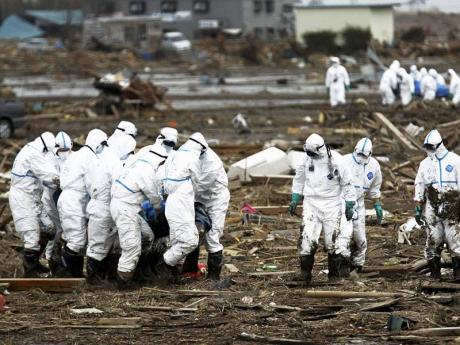
TOKYO (AP):
Japan feared three months after the Fukushima nuclear power plant was hit by a tsunami that aftershocks could further damage one of its fuel storage pools, causing rods inside to melt and spew radiation within hours, according to a newly released document.
The Japan Nuclear Energy Safety Organisation said it carried out a simulation that showed some 1,500 mostly used fuel rods at the plant's No. 4 reactor building could start breaking in two hours if aftershocks further damaged the pool and caused cooling water to escape. The fuel rods could start melting within eight hours, the organisation said in a report dated June 30 and published Friday.
The report shows that the pool remained vulnerable for nearly four months, until its operator completed reinforcement work in July. Tokyo Electric Power Co had said before then that the building could withstand major aftershocks without reinforcement, but made repairs after acknowledging structural damage and water leaks from the pool area.
The March 11 quake and tsunami triggered meltdowns at the plant's three reactors. Explosions also damaged their buildings, plus Unit 4 next to them.
The simulation was based on a scenario that cooling water was lost in the Unit 4 spent fuel storage pool, located on the top floor of the building. The Unit 4 pool was considered high risk as it contained more fuel than the other three pools, as it also stored fuel rods that had been moved from the unit's reactor core, which was being fitted with new parts.