
Save 300 a firm platform - NRSC looks to further gains in 2013
Published:Sunday | January 6, 2013 | 12:00 AM
Mel Cooke, Gleaner Writer
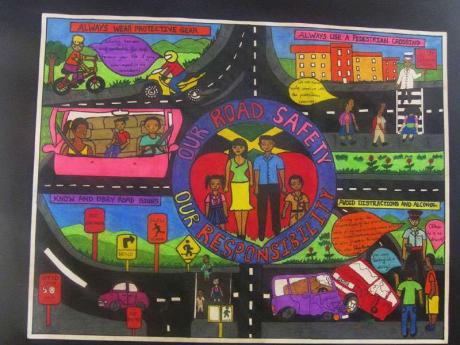
The Save 300 campaign, started in 2008, met its objective in 2012 as there were 256 road fatalities for the year. However, despite all the attention paid to keeping annual road fatalities below 300 persons, it is a step, not a destination.
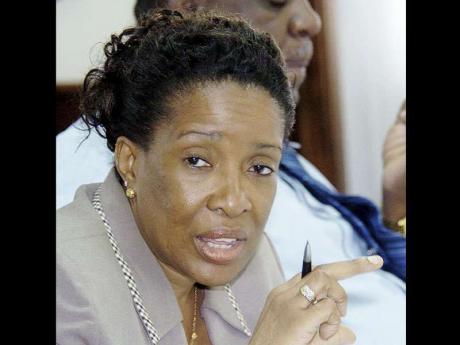
"It was always high," executive director of the National Road Safety Council (NRSC), Paula Fletcher, pointed out regarding the annual road fatality count. The Save 300 campaign assessed where the nation was and where it needed to go. "It was a way of making road safety tangible."
And it has worked, Fletcher saying that the Jamaican population "bought into road safety as a concept as something that affects their daily lives. I think road safety is definitely on the national agenda and it is in the minds of our road users". She bases this assessment not simply on hopes and instinct, but on the results from focus groups from a wide cross-section of the society which sought to determine, among other things, if participants were aware of the NRSC, the messages they had been hearing and if they were effective.
Save 300 was started four years after the Road Safety Policy was implemented. And just as the Road Safety Policy set the foundation for the Save 300 campaign, in its turn Save 300 has prepared the nation for further gains in 2013 and beyond. Fletcher said with Save 300 the NRSC looked at various angles, among them education, the environment and emergency response. And even before that, the introduction of the breathalyser in 1995 and an insistence on safety devices (helmets, seatbelts and child seats) in 1999 helped to establish the required framework.
Now, Fletcher said, "we are on a long-awaited review of the Road Traffic Act". That will cover, among many other areas, an international tyre standard, the use of cellphones and requirements for driver training. She is also looking forward to legislation for electronic surveillance, which will focus on the breaking of red lights and the speed limit. Also, there is a review of the Spirits Licence Act, Fletcher pointing out that a number of alcohol companies have started to insist on proof of age from potential purchasers.
There is also a focus on emergency response, Fletcher saying that when there is a crash event (as different from an accident, as what are called accidents are largely preventable) "the situation should be forgiving. You want to know people are lifted in a particular way and transported in a safe way to get treatment as quickly as possible, so they can have the best recovery results".
Then there is continued public education, Fletcher noting that for its size and resources Jamaica is doing well in that regard.
"We are at the point where road safety is high on the national agenda and we have engaged the people of Jamaica," Fletcher said. She pointed out the publicised breathalyser campaign targeting parties over the Christmas 2012 period, saying "I gather young people were talking about it".
The breathalyser tests duly turned up empty.