
Immigration Corner | I made a mistake
Published:Tuesday | October 12, 2021 | 12:05 AM

Dear Mrs Walker-Huntington,
I have a case at the USCIS (United States Citizenship and Immigration Services) office. It’s about an I-601 waiver I submitted because I was made inadmissible to enter the US. I have a prior conviction that I admitted to in the interview, but it was never submitted on the documents that my wife filed.
This happened because my wife was ill prior to my interview. She had done two spinal surgeries, so I did a stupid thing and applied for a non-immigrant visa, which was where I had admitted the conviction. At that interview, I was told I could not have two processes going on at one time, and I was therefore denied the visitor’s visa.
A little over a year later, the filing came through for the immigrant visa. My wife was feeling better by then and attended the interview.
I was asked if I had ever been locked up before and I forgot that I had admitted to that when I applied for the visitor’s visa, and said no. The consular officer said they had information to the contrary and instantly, I remembered that I had said that. I agreed that indeed I had, and told her that I never remembered. She had my police record there and it is clean. The conviction was from 2010.
What can I do about this? USCIS said they received the waiver from April 28, but we haven’t heard anything from them since. Do you think I should be worried? If the waiver is not approved, what can we do next? Please reply, I am begging you for some insight. I made a terrible error.
Dear MB,
You did indeed make an error by not declaring your criminal conviction on the immigrant visa filing that your wife made on your behalf. Wilfully withholding information during an immigration filing is immigration fraud and is grounds for inadmissibility to the United States. You indicate that you had to file a waiver of inadmissibility but did not indicate on what grounds you are inadmissible. You may have been charged with the criminal inadmissibility grounds, but you could also have been charged with inadmissibility due to fraud.
This is why everyone applying for any type of visa must always be truthful – even it is against their interest. So often it is thought and suggested to applicants to answer questions in a light most favourable to themselves – not so. Be truthful and deal with the consequences and not add any additional admissibility grounds. It is a false assumption that the US government will not know about your criminal history if you do not reveal it, or if your record is expunged and you have a clear police record.
ELIGIBILITY
To be eligible for an immigrant visa waiver (I-601), the petitioner (in this case your wife) must demonstrate that she is experiencing extreme hardship that will only go away if the beneficiary (you) comes to live with her in America. The petitioner must also show why they cannot go to live with the beneficiary in Jamaica. The hardships will differ from person to person but must be well documented.
It can take up to two years to receive a response to an immigrant waiver from USCIS, so it is unrealistic to expect an immediate response. Even prior to the pandemic, the response time was six months to a year. USCIS can send a Request for Evidence if they deem the waiver insufficient or they can deny the waiver. You do have the option to redo the waiver if it is denied. You did not indicate whether you did the waiver yourself or if you hired an attorney to prepare and submit it. A waiver can be a complicated process of factual and legal argument as to why your circumstances meets the standard of extreme hardship.
Applying for a non-immigrant visa while an immigrant visa is pending is not ‘stupid’, as persons can be granted a visa if the consular officer is convinced that the applicant will return if granted non-immigrant status. It is a harder threshold to convince the officer with the pending green card application because of the inherent intention to migrate.
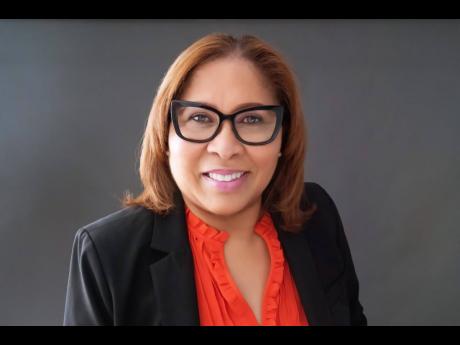
Dahlia A. Walker-Huntington, Esq, is a Jamaican-American attorney who practises immigration law in the United States; and family, criminal and international law in Florida. She is a diversity and inclusion consultant, mediator and former special magistrate and hearing officer in Broward County, Florida. info@walkerhuntington.com