
Haiti mourns 11 women from fatal voyage
Published:Friday | June 17, 2022 | 12:06 AM
SAN JUAN (AP):
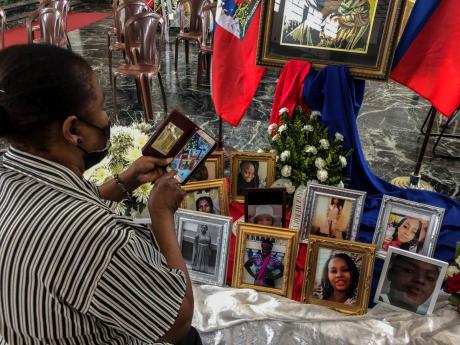
The caskets were rolled in one by one, lined up in front of friends and family who had no idea that many of the 11 Haitian girls and women they were preparing to bury had decided to flee their country.
They were teenagers, mothers, students, university graduates, all aboard a grossly overloaded boat that capsized last month in the open waters northwest of Puerto Rico.
It was one of the deadliest voyages in the region in recent months. The boat was carrying an estimated 60 to 75 migrants, of whom 11 were found dead, at least a dozen are still missing, and 38 were rescued – 36 of them Haitians fleeing a deeply unstable country fighting a surge in poverty and violence.
Mourners held aloft their phones at the church and rainy cemetery Wednesday as they live-streamed the Mass and burials on social media. They zoomed in on certain caskets for families back in Haiti who couldn’t afford to fly to Puerto Rico and for Haitian migrants living illegally on the US mainland who feared being arrested if they travelled but longed to say goodbye to the victims, including two girls, ages 15 and 16.
“Today we bury their remains, but not their lives and hope,” said one of five priests officiating the ceremony as one man attending the service closed his eyes tightly before tears began to form.
That man, Pierrot Samedi, lost his 23-year-old sister as well as six cousins on the voyage who were never found. He flew to Puerto Rico from West Palm Beach at the urging of local Haitian leader Leonard Prophil, who helped identify the bodies and who has housed and fed all those who arrived for the funeral.
“If you’ve never lived in Haiti, you don’t know what hardship is, you don’t know what misery is,” Prophil said.
POWER
The country of more than 11 million people is fighting a 180 per cent increase in kidnappings and a 17 per cent rise in homicides in the past year, according to the United Nations. Dozens of people, including women and children, have been killed and raped in recent months as gangs fight over territory and gain more power following the July 7 assassination of President Jovenel Moïse.
Tens of thousands of Haitians have lost their homes amid gang battles that also have shut down access to the country’s northern and southern regions, the latter still trying to recover from a magnitude 7.2 earthquake last August that killed at least 2,000 people.
Haiti’s worsening situation has prompted thousands to flee their country despite the dangers of illegal human smuggling trips that often turn deadly. Some pay to cross the treacherous Mona Passage to reach Puerto Rico from the neighbouring Dominican Republic, while others are dropped off in Cuba, The Bahamas, or the Turks and Caicos Islands in their quest to reach the US.
In late May, more than 840 Haitians aboard one boat landed in Cuba, the largest such single arrival in recent history. Meanwhile, hundreds of Haitians have reached Florida in recent months after swimming ashore.
US authorities also have reported a big spike in the number of Haitian migrants detained throughout the Caribbean in comparison with previous years. The vast majority of those travelling are men, which makes the death of the 11 women even more unusual.
Those mourning them said it is inevitable that other fatal voyages will occur in upcoming months.
“This is not going to end,” said Samedi, who lost seven relatives in the most recent deadly voyage. “It’s not the first one nor will it be the last one.”