
WHO again considers declaring monkeypox a global emergency
Published:Friday | July 22, 2022 | 12:08 AM
LONDON (AP):
As the World Health Organization’s (WHO) emergency committee convened on Thursday to consider for the second time within weeks whether to declare monkeypox a global crisis, some scientists said the striking differences between the outbreaks in Africa and in developed countries will complicate any coordinated response.
African officials say they are already treating the continent’s epidemic as an emergency. But experts elsewhere say the mild version of monkeypox in Europe, North America and beyond makes an emergency declaration unnecessary, even if the virus can’t be stopped. British officials recently downgraded their assessment of the disease, given its lack of severity.
“I remain concerned about the number of cases, in an increasing number of countries, that have been reported,” WHO Director General Tedros Adhanom Ghebreyesus told the emergency committee as its meeting got under way.
He said it was “pleasing” to note falling numbers of monkeypox cases in some countries, but that the virus is still increasing elsewhere, and that six countries reported their first infections last week.
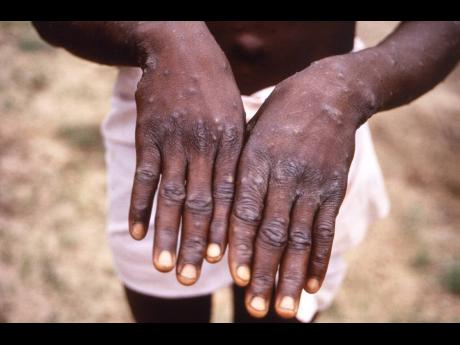
Monkeypox has been entrenched for decades in parts of Central and Western Africa, where diseased wild animals occasionally infect people in rural areas in relatively contained epidemics. The disease in Europe, North America and beyond has circulated since at least May among gay and bisexual men. The epidemic in rich countries was likely triggered by sex at two raves in Spain and Belgium.
Some experts worry that these and other differences could possibly deepen existing medical inequities between poor and wealthy nations.
CASES WORLDWIDE
There are now more than 15,000 monkeypox cases worldwide. While the United States, Britain, Canada and other countries have bought millions of vaccines, none have gone to Africa, where a more severe version of monkeypox has already killed more than 70 people. Rich countries haven’t yet reported any monkeypox deaths.
“What’s happening in Africa is almost entirely separate from the outbreak in Europe and North America,” said Dr Paul Hunter, a professor of medicine at Britain’s University of East Anglia who previously advised WHO on infectious diseases.
The UN health agency said this week that outside of Africa, 99 per cent of all reported monkeypox cases are in men and of those, 98 per cent are in men who have sex with other men. Still, the disease can infect anyone in close, physical contact with a monkeypox patient, regardless of their sexual orientation.
“In these very active gay sexual networks, you have men who really, really don’t want people to know what they’re doing, and may not themselves always know who they are having sex with,” Hunter said.
Some of those men may be married to women or have families unaware of their sexual activity, which “makes contact tracing extremely difficult, and even things like asking people to come forward for testing,” Hunter said, explaining why vaccination may be the most effective way to shut down the outbreak.
That’s probably not the case in Africa, where limited data suggest monkeypox is mainly jumping into people from infected animals. Although African experts acknowledge that they could be missing cases among gay and bisexual men, given limited surveillance and stigmatisation against LGBTQ people, the authorities have relied on standard measures like isolation and education to control the disease.