
Ensure vendor compliance to stop high-sugar drinks sale in schools
Published:Monday | July 10, 2023 | 12:10 AM
THE EDITOR, Madam:
As the current school year ends and the various administrators start to plan for the next academic year, we need to consider the perennial issue of the negative impacts of high-sugar drinks on our children. It must be noted that the consumption of high-sugar drinks has become a global concern due to its detrimental impact on health, particularly among children.
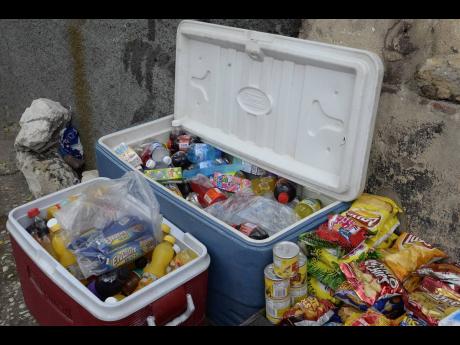
These have contributed to various health issues, such as obesity, dental problems, and increased risk of chronic diseases. Recognising the significance of promoting healthier beverage choices, the Jamaican Government implemented a ban on the sale of high-sugar drinks in schools. However, despite this regulatory measure, vendors in Jamaican schools continue to sell these beverages, raising questions about the effectiveness of the ban and the challenges faced in ensuring compliance.
In an effort to improve the dietary habits of students, the Jamaican Government imposed a ban on the sale of high-sugar drinks within school premises. This measure aimed to reduce the consumption of these unhealthy beverages and promote the adoption of alternatives that are low in sugar and more nutritious. Despite the Government’s ban, the sale of high-sugar drinks by vendors in Jamaican schools remains a persistent challenge. This non-compliance undermines the intended purpose of the ban and compromises the health of students. Understanding the reasons behind this persistence is crucial in developing effective strategies to overcome the issue.
Enforcing the ban on high-sugar drinks within schools poses several challenges. First, there may be a lack of clarity and consistency in communication regarding the ban, leading to confusion among vendors. Additionally, limited resources and manpower for monitoring and enforcement can hinder the Government’s ability to ensure compliance. The influence of external factors, such as demand from students and economic pressures on vendors, also contribute to the persistence of high-sugar drink sales.
Addressing the challenges associated with the ban requires a multifaceted approach. There is a need for improved communication and education campaigns to raise awareness among vendors, students, and parents about the detrimental effects of high-sugar drinks. The Government should also consider strengthening monitoring mechanisms, increasing penalties for non-compliance, and providing support to vendors in transitioning to healthier beverage options. Collaboration with relevant stakeholders, including vendors, school administrators, and health organisations, can facilitate the implementation of effective solutions, as our children are our future and their health must be prioritised.
MIKHAIL GRAHAM