
Ree-Anna Robinson | Jamaica needs to do more for mental health
Published:Saturday | October 14, 2023 | 12:05 AM

There is an urgent need for serious action to be taken to improve people’s mental health in Jamaica. We have seen the results of a steady decline of the mental well-being of our population, with youth bearing the brunt of it, and our leaders cannot afford to ignore this any longer.
Mental health, as defined by the World Health Organization, is “a state of well-being in which the individual realises his or her own abilities, can cope with the normal stresses of life, can work productively and fruitfully, and is able to make a contribution to his or her community.” This definition has evolved from a time when mental health was only relevant at the severe end of the spectrum. But it is now realised as a shared experience for all. This thrust has had young people like me at the forefront championing this cause, calling for a level beyond discourse. This movement is significant but, how much longer will we be stuck at the starting line? Jamaica requires action forthwith to combat this crisis.
In 2018, UNICEF Jamaica reported that 60 per cent of persons treated for suicide were under 24 years. Similarly, according to a 2018 UNICEF/U-Report poll, 53 per cent of young people have considered suicide. The youth experience compounds our struggle. During this time, we are being introduced to the world and its many challenges while exploring our identity. Thus, extra support is needed to prevent youths from suffering in silence.
MISCONCEPTION
This reality is often misunderstood by those who interact with children and youths, as there is a misconception that strength is the measure of good mental health. Youths are taught to be tough and stand firm in the world, especially our young men who are socialised to hide their emotions. This also has a strong connection to parenting where some are quick to respond with verbal and physical violence when their children exhibit behavioural challenges.
Over the years, schools have become the main source of support for children and youths. Unfortunately, many don’t feel supported or protected; from violence plaguing our schools to students displaying distrust of counsellors and other personnel put in place to assist them. It is my firm belief that we have not done enough to have them feel any differently. Urgency must be placed into ensuring that all stakeholders within the school environment are equipped with resources to support their students. Every member of the school family, including staff, teachers and even students, ought to be taught what signs to look out for and the best route of action to take, based on their respective roles.
The movement towards a world of mental wellness calls for action but, have we answered this call? There is a great need to bolster mental-health relief and aid. Jamaica’s Mental Health Act fails to define or interpret the meaning of the term ‘mental health’, and only considers acute mental disorders and how those affected interact with the public health system. This is important but does not take a holistic approach to mental health and its wide impact. This is a direct indicator of where we are as a country with youths affected the most.
MUCH TALK
In 2019, Minister of Health Dr Christopher Tufton said there will be amendments made to the Mental Health Act and, since then, there has been much talk of additional resources and support. This includes the commendable overhaul of the Bellevue Hospital, which represents a clear intention. However, nothing more has been heard regarding the amendments in the Mental Health Act, there has been no public debate, discussion or a joint select committee put in place to discuss and address these amendments. Additionally, the National Health Fund currently provides subsidies for 17 chronic illnesses, with major depression and psychosis as the only mental illnesses present. This has to be addressed, as many Jamaicans struggle with acute mental illnesses and do not have the support of a subsidy for treatment.
A cross-sectoral policy with youths at the forefront must be drafted to guide the use of these new amendments in spaces such as schools, businesses, and rehabilitation centres. This is particularly critical for remand centres and places of safety, hospitals, and churches. This policy must promote good mental health, highlighting prevention as well as other implicating factors such as climate change, violence, and addiction. This is important as many citizens will only have access to what is provided for in public policy. Therefore, support must be easily accessible or many will not know where to seek help. Mental health services also need to be localised, becoming available at community wellness centres and clinics, inclusive of free therapy and counselling, which is currently seen as a luxury and not a necessity. We must supplement existing resources, particularly for rural communities.
There have been considerable improvements in recent years but, without action, we will continue to grapple with this crisis. Meaningful improvement will take investment and public buy-in to address the root causes and break the stigmas.
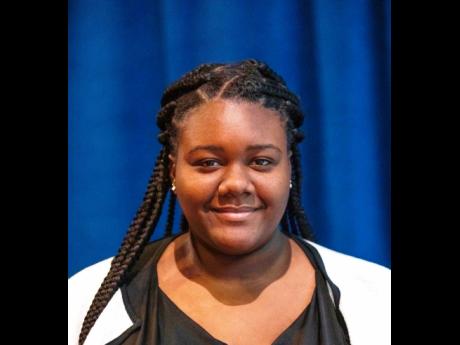
Ree-Anna Robinson is a youth advocate, providing perspectives on education and mental health advocacy for youths in Jamaica. Send feedback to reeannarenne1@gmail.com or columns@gleanerjm.com