
Earth Today | 25 years and counting
Celebrating 20+ years of biodiversity protection through SPAW Protocol
Published:Thursday | June 19, 2025 | 12:08 AM

YESTERDAY, JUNE 18, marked 25 years since the entry into force of the Protocol Concerning Specially Protected Areas and Wildlife (SPAW Protocol).
The anniversary flagged a quarter of a century of dedicated efforts to conserve and sustainably manage the Caribbean’s marine and coastal biodiversity.
The SPAW Protocol is one of three essential protocols under the Convention for the Protection and Development of the Wider Caribbean Region, commonly known as the Cartagena Convention.
Adopted in 1983, the convention is the only legally binding regional agreement for the protection of the Caribbean Sea, supported by its protocols; the Oil Spills Protocol, the Land-Based Sources of Marine Pollution (LBS) Protocol and the SPAW Protocol.
“It provides a unique legal framework for the establishment and management of marine protected areas, and for the protection and recovery of endangered and threatened species of marine and coastal flora and fauna,” noted Susana Perera-Valderrama, programme management officer for the SPAW Sub-Programme at the Cartagena Convention Secretariat, Ecosystems Division, in a June 17 release from the secretariat.
“Its importance to the Caribbean Sea and its peoples cannot be overstated, as healthy ecosystems are fundamental to the region’s economic well-being, food security, and cultural identity, supporting vibrant tourism industries and traditional livelihoods,” she added.
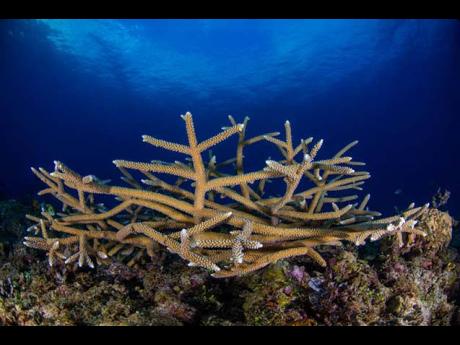
The SPAW Protocol has been essential in protecting the Caribbean’s most important coastal and marine ecosystems – coral reefs, mangroves, and seagrass beds – along with the rich diversity of flora and fauna they support.
These habitats shelter endangered and iconic species such as sea turtles, including the Hawksbill, Leatherback and Green turtle; marine mammals such as dolphins, whales, and the West Indian manatee; reef-building corals; migratory birds; and key fish species like parrotfish.
The Protocol also promotes the conservation of vital plant species, including seagrasses and mangroves, which play critical roles in coastal resilience, carbon storage, and ecosystem productivity.
ADOPTION
Since its adoption on January 18, 1990, and entry into force on June 18, 2000, the SPAW Protocol has achieved several significant milestones. Among them is the establishment and periodic updating of its three annexes, which list more than 300 species requiring regional protection.
“In parallel, the network of SPAW-listed protected areas has grown to 37 sites across nine Contracting Parties, including ecologically significant locations such as Mount Scenery National Park in Saba. These designations help ensure effective management and international recognition of key conservation areas throughout the Wider Caribbean Region,” the release said.
The SPAW Programme has also played a vital role in strengthening regional governance and ecosystem-based coastal and marine habitat management.
Achievements include the finalisation of the Regional Strategy and Action Plan for the Valuation, Protection and/or Restoration of Key Marine Habitats (2021-2030),the publication of the State of Nearshore Marine Habitats Report (2023) and the update of the Action Plan for the Conservation of Marine Mammals in the Wider Caribbean (2023-2028).
Revitalised SPAW Working Groups,coordinated by the SPAW Regional Activity Centre, on protected areas, species, exemptions, and Sargassum aim to enhance technical support, coordination, and implementation across key thematic areas.
The programme has also ensured the visibility and alignment of the SPAW Protocol within broader international agendas. SPAW contributes actively to global processes such as the Biodiversity Beyond National Jurisdiction Agreement, the Kunming-Montreal Global Biodiversity Framework of the Convention on Biological Diversity, the Convention on International Trade in Endangered Species of Wild Fauna and Flora, the Convention on the Conservation of Migratory Species of Wild Animals, and the Ramsar Convention.
Furthermore, the Caribbean Marine Protected Area Management Network and Forum (CaMPAM), established in 1997 as a pilot initiative under SPAW, has played a pioneering role in strengthening MPA management across the region.
“Through training-of-trainers courses on Marine Protected Area management, small grants, exchanges, and capacity-building initiatives. CaMPAM has supported over 1,500 practitioners and continues to foster knowledge-sharing and best practices in marine conservation throughout the Wider Caribbean,” the release added.
PARTIES
Currently 19 countries are Contracting Parties to the SPAW Protocol, among them The Bahamas, Barbados, Belize, Colombia, Cuba, Dominican Republic, France (for its Caribbean territories); Grenada, Guyana, Honduras, the Kingdom of the Netherlands (for its Caribbean territories); as well as Nicaragua, Panama, Saint Lucia, Saint Kitts and Nevis, Saint Vincent and Grenadines, Trinidad and Tobago, the United States of America and Venezuela.