
Troyton embraces change in dancehall music
Urges colleagues to work harder
Published:Wednesday | March 30, 2022 | 12:08 AMSade Gardner/Staff Reporter
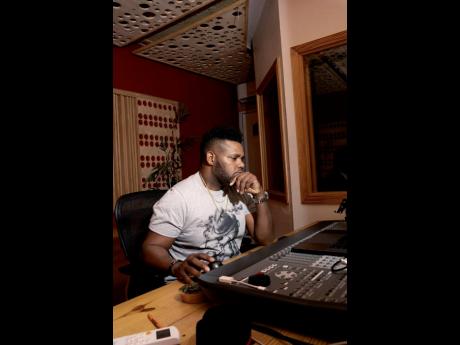
Several new-age producers have been catching flak for their deviation from “authentic dancehall” by experimenting with hip hop, trap and rap sounds. Producer Troyton Rami knows all about being on the receiving end of resistance to a new sound, as he was turned down by several big names for his Buzz rhythm in 2001, co-produced with Trevor McKenzie. The rhythm went on to host one of the biggest mainstream songs of 2002, Sean Paul’s Gimmie the Light.
“When I did that project I was 17 years old; I wanted to break out, I wanted to make a different type of dancehall music and the Buzz rhythm was totally different,” Rami told The Gleaner. “I went to certain artistes to record on it and they said, ‘No, it doesn’t sound like dancehall; the tempo is too fast’. But I believed in myself and I believed in the project, the beat and the idea.”
There were some artistes who believed in it, too, like Mad Cobra who, incidentally, had earlier embraced dancehall fusion with the success of his 1992 hit, Flex.
“When I got discouraged and said I’m going to do another rhythm because a lot of the artistes I love and really wanted on that beat were telling me this is not dancehall and it won’t work, Mad Cobra said, ‘Yuh crazy youth? This a di baddest rhythm yuh ever mek’. He kinda pushed me forward to finish it and it worked and catapulted a lot of artistes … Press Trigger, I have many countless licences in movies and games and stuff. I actually remixed that in another song called Cobra Style which became bigger even in the rock and roll and pop market. Gimmie The Light became this big smash that opened the doors for a lot of records that came out for our music, and for other producers and artistes in our genre as well.”
More than two decades later and some Jamaican artistes and producers are openly resistant to unfamiliar sounds from some of their peers. Rami is embracing the change in music but said he and his colleagues just need to work harder to get the world’s attention.
“Dancehall is moving … The business has changed so don’t look at the old business model, look at the new business model,” he said. “Once upon a time, American radio stations would say ‘for the most music hip hop and RnB and reggae’, and now they say ‘hip hop, RnB and Afrobeats’. I sit down and study the game and I want dancehall and reggae to be back in the forefront. I’ve been trying to work on a way and music that can get back out there to the people that are responsible for making reggae and dancehall music prominent in the world. They’ve been saying we’re not doing much but we’ve been working, we’ve been coming out with dancehall records so I’m playing my part in it. We just need to work harder to put it in front of their face because the Afrobeats people are working hard to put it in front of their face, and so are other genres.”
OPPORTUNITIES
His latest project, the Metaverse rhythm, has been getting radio play with features from Mavado, Alkaline, 450, IWaata and Dovey Magnum. Though he has been primarily based in the United States for 15 years, the Black Shadow principal has remained committed to making reggae and dancehall music, despite chances to migrate to more mainstream genres.
“Yes, a lot of opportunities came to me: producing this rock and roll or pop artiste, getting signed to Ultra, working with Sony Music and their artistes, but I’ve always felt a responsibility to what made me – dancehall – and I always go back to that even if I stray for a little. When producers do come to foreign and they experience other genres, they are always gonna come back to their roots, that’s my opinion. If you love your music and your culture, you’re always gonna come back to it.”