
Creating a better tomorrow for persons with disabilities
Published:Saturday | December 7, 2024 | 3:55 AM
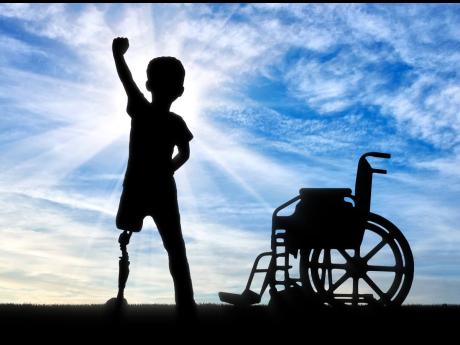
Disabilities Awareness Week, observed from December 1 to 7, is a significant opportunity to reflect on the progress made toward inclusion and equality for persons with disabilities, while recognising the ongoing challenges they face.
This year’s theme, ‘Inclusion in Action: Connecting Communities for a Better Tomorrow’, underscores the critical need for collective action to bridge gaps in accessibility, create inclusive environments, and empower individuals with disabilities to thrive in all areas of society.
GLOBAL CONTEXT OF DISABILITY AWARENESS
• Statistics:
- According to the World Bank, between 110 million and 190 million people worldwide experience significant disabilities.
- Persons with disabilities are disproportionately represented among the world’s poorest populations.
• Barriers to progress:
- In many countries, public infrastructure and transportation remain largely inaccessible to individuals with disabilities.
- Stigmatisation and discrimination persist, limiting social and economic opportunities.
- Lack of adequate healthcare services and assistive technologies further exacerbates disparities.
• Employment gaps:
- Globally, persons with disabilities experience higher unemployment rates and lower wages than their non-disabled counterparts.
- Inclusive workplace policies and disability-friendly practices are being promoted by organisations like the International Labour Organization (ILO), to address these inequalities.
FOCUS ON JAMAICA
• Significance of the Disabilities Act:
- The Disabilities Act (2022) reinforces Jamaica’s commitment to protecting the rights of persons with disabilities by ensuring equal treatment in areas such as education, employment, and public accommodations. Penalties for non-compliance serve as a deterrent to discriminatory practices.
• Educational initiatives:
- Specialised schools and programmes, such as the Lister Mair Gilby High School for the Deaf, the Salvation Army School for Blind and Visually Impaired Children, and other institutions, cater to the diverse needs of students with disabilities.
- The Ministry of Education has been advancing inclusive education strategies.
• Access to public spaces:
- Jamaica continues to make strides in enhancing the accessibility of buildings, schools and transportation systems, but many areas, particularly rural ones, still lack necessary accommodations.
• Cultural representation:
- Persons with disabilities are increasingly featured in Jamaican media and arts, fostering a more positive societal view and breaking stereotypes.
THE ROLE OF COMMUNITY AND GOVERNMENT
• Community action:
- Organisations such as the Combined Disabilities Association, Jamaica Society for the Blind, Jamaica Council for Persons with Disabilities, and Jamaica Association of Persons with Physical Disabilities work tirelessly to support individuals with disabilities, providing resources, advocacy, and community programmes.
- Local disability awareness campaigns, such as the recently launched ‘I Am Able’, focus on breaking stigma and encouraging inclusivity.
• Government initiatives:
- Subsidised programmes, including the provision of assistive devices and mobility aids, aim to improve the quality of life for persons with disabilities.
- The Economic Empowerment Grant assists persons with disabilities in starting or expanding businesses.
THE IMPORTANCE OF INCLUSION IN ACTION
• Community benefits: Inclusion strengthens social cohesion, creates economic opportunities, and ensures equitable access to resources and services for everyone.
• Technology and innovation: The growing adoption of assistive technologies – such as screen readers, text-to-speech software, and mobility aids – enhances the independence of persons with disabilities.
• Civic engagement: Ensuring that persons with disabilities have equal opportunities to participate in decision-making processes is critical for building sustainable and inclusive communities.
KEY TAKEAWAYS FOR DISABILITIES AWARENESS WEEK
• Engage: Participate in workshops, discussions, and activities that promote understanding and empathy.
• Advocate: Push for stronger policies and practices that eliminate barriers and ensure equal opportunities.
• Support: Partner with local organisations to provide resources and support for persons with disabilities.
• Educate: Raise awareness about disability rights and inclusion within your family, workplace, and community.
By working together to make inclusion a reality, we can create a better tomorrow for individuals with disabilities and their communities.