
Canada honours Jamaican Maroons, Black Loyalists with symbolic gesture
Gov’t designates Black Migrations to Sierra Leone as event of ‘national historic significance’
Published:Friday | June 16, 2023 | 12:31 AM


GATINEAU, QC:
Steven Guilbeault, minister of Environment and Climate Change, and minister responsible for Parks Canada, has designated the Black Migrations to Sierra Leone as an event of national historic significance under Parks Canada’s National Program of Historical Commemoration.
“Recognising the national historic significance of the Black Migrations to Sierra Leone acknowledges the frustrations of the Black Loyalists and Jamaican Maroons after facing an inhospitable reception in the Maritimes.
Guilbeault, in a release, said the Government of Canada ‘is committed to ensuring that we have opportunities to learn about the full scope of our history, including the tragic and shameful periods that are part of our collective past. Commemoration is about recognising the many diverse aspects of our history and committing to do better in the future.”
Approximately 3,500 Black Loyalists were evacuated to Nova Scotia and New Brunswick after the American Revolutionary War. This represented the largest influx of self-emancipated and free people of African descent those British colonies had ever experienced. The Government of Canada recognised the Black Loyalist Experience as an event of national historic significance in 1994.
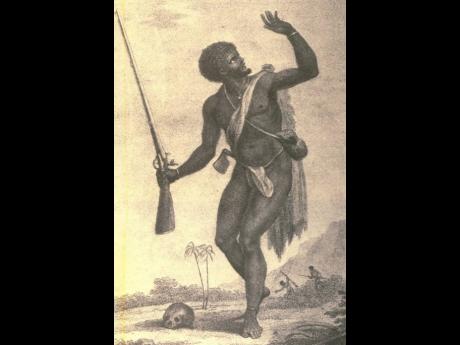
The first to leave in 1792 were 1,196 formerly enslaved people of African descent who settled in Nova Scotia after supporting Britain during the American Revolutionary War (1775–1783). More than 500 Jamaican Maroons, who had been exiled to Nova Scotia after the second and final Maroon War, followed the Black Loyalists to Sierra Leone in 1800.
While most of the Jamaican Maroons left Nova Scotia for Sierra Leone in 1800, it is widely believed that a few individuals stayed behind. Their continued presence is suggested by the surnames, accents, idioms, customs, oral histories, and traditions of African Nova Scotians. The Government of Canada recognised the Jamaican Maroons in Nova Scotia as an event of national historic significance in February 2023.
Both groups endured hardships and discrimination while in Nova Scotia and New Brunswick including unequal treatment under the law and constant threats of mob violence and (re-)enslavement. Many of the Black Loyalists had been promised farmland that they never received, forcing them into exploitative wage labour, sharecropping, or indentured servitude, the release from Parks Canada noted.
UNWAVERING STRENGTH
It said the Jamaican Maroons faced significant pressures to abandon traditional Akan social, spiritual, and cultural practices, and undertake hard physical labour on building projects and farms. Ultimately, their rejection of long-term settlement had a lasting impact on diasporic African communities in the Maritimes, not least by significantly reducing the number of free people of African descent in the colonies.
Former president of the Ontario Black History Society and social justice advocate, Rosemary Sadlier, welcomed the official acknowledgement of the groups’ struggles. “I am delighted that my successful advocacy for black representation over years has resulted in this important symbol. This designation adds to the complexity of the experience of freedom for enslaved and formerly enslaved Africans in Canada, their experience, and their approach to ameliorating their condition. Their resilience was amplified by their advocacy and reconnects them to Africa,” she said.
Jamaica-born Afua Cooper, Killam Research Chair at Dalhousie University, said, “This designation honours the memory of those ancestors who made the momentous journeys and is truly a milestone in the history of Canada, Sierra Leone, and the Black Atlantic. It recognises the vision, steadfastness, and courage of the Black Loyalists and Maroons to carve out for themselves spaces of freedom and self-actualisation.”
Arielle Kayabaga, member of parliament for London West and Chair of the Black Caucus, joined in commending the symbolic gesture. “The designation of the Black Migrations to Sierra Leone as an event of national historic significance allows us time to reflect on some of the injustices that have been experienced by Black people in Canada but also their unwavering strength and endurance. I encourage everyone to learn more about this designation and its important place in the history of Canada,” she said.
The designation process under Parks Canada’s National Program of Historical Commemoration is largely driven by public nominations. To date, more than 2,200 designations have been made nationwide.