
Lunch box's staple - The good ol' sandwich
Published:Wednesday | September 15, 2010 | 12:00 AM
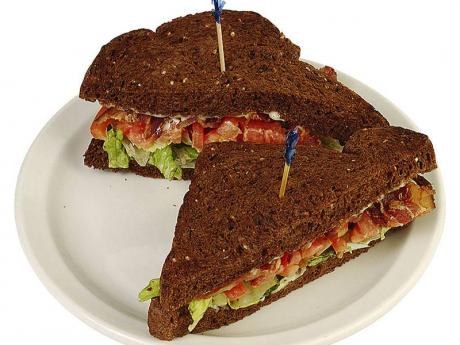
Many parents are still having difficulty with variety for the lunch kits. Sandwiches are always popular options and each child tends to have their favourite ones.
Breads
Adults may be pleased with the variety of breads now on the market, but sometimes children are not willing to try something new. If you want to introduce a healthier option in bread, such as a whole grain, do so at home first and ensure acceptance before taking on the adventure of the lunch kit.
Spreads
A small amount of butter, margarine or light mayonnaise will add flavour and prevent the bread from getting soggy. The spread also adds some extra energy, which is important for growth and development.
Fillings
There is a wide variety of commercially prepared sandwich meats which make tasty sandwiches. Thin cuts of turkey breast can be low in calories and a good source of protein; the same can be said of chicken breast. Roast beef is also a good option. Other sandwich slices such as ham may be medium-fat. Salami and bologna are high in fat and these cured meats are also high in sodium. Corned beef is sodium- and fat-rich.
Canned fish such as salmon, tuna, sardines and mackerel, when flavoured in a variety of ways, make delicious sandwiches. Many people use mayonnaise in these fillings; this is a high-fat condiment and so the 'light' version and smaller portions should be used. Cheese is another suitable filling for sandwiches. It is better to spend a little more on a good quality cheese rather than on cheese products which have just a little milk. Peanut, and other butters made with nuts, are also healthy options.
Vegetables
Non-soggy vegetables, such as lettuce leaves, can be placed in the sandwiches of younger children. Older children can have their vegetables packaged in a separate container, for assembling of the sandwich at lunch time.
Different shapes
Use attractive shapes to suit your child's fancy and age group. Do not use toothpicks to hold together the sandwiches of young children. Tell older children that toothpicks may be hidden in the sandwich. You do not want them to find out when they bite into one.
Packaging
Sandwiches should be packaged to prevent squashing, drying out and spoilage. Various containers are designed for sandwiches such as plastic bags which can lock in freshness, and hard square and rectangular plastic containers. They can also fit neatly into a regular lunch kit. Wrap sandwiches in wax or cling film, if you are putting them into a paper bag.
Sandwiches can be made from overnight, refrigerated and packed into a lunch kit with partly frozen liquids, or an ice pack, to maintain a safe temperature in the lunch container. Be creative with your sandwich!
Rosalee M. Brown is a registered dietitian/nutritionist who operates Integrated Nutrition and Health Services; email: yourhealth@gleanerjm.com.