
Allan Alberga | My toast to the 60th anniversary
Published:Tuesday | August 23, 2022 | 12:06 AM

I am proud of myself for delaying the message that I was anxious to send to Jamaicans at home and abroad. Although I now reside abroad, I have mixed feelings: I am still unsure whether my contribution to Jamaica is best made abroad or at home. I have been exposed to life in both environments for some time now, and have learned a lot as a result. As I approach my departure from this life, I need to continue to share with my people what I feel about Jamaica.
I am familiar with celebrations of our Emancipation and Independence. I first left Jamaica just after 1962, the celebration of our first birthday. Like all Jamaicans, including our leaders, we didn’t quite understand the confusion that would immediately follow. Now living in the United Kingdom with a growing Jamaican community, we had to distinguish between being a British subject and Jamaican national.
That period was my initial experience of change. It was invaluable for me. I mingled with Jamaicans that I probably would not have met, had I returned to Jamaica in the three years it took for me to complete my law course. I met and listened to my countrymen and women about our transition from British to Jamaican citizenship. That discourse was taking place in an environment that was openly hostile to our presence there. Before 1962 we were British, but now we were not. We had ‘become’ Jamaicans.
BUMPY JOURNEY
First, let me congratulate ourselves for limping through this Independence road during the past 60 years. It has been a bumpy journey. There have been changes, some good, but too many opportunities are being missed because of our lack of vision. As our elders have repeatedly exhorted us to do, “know your roots” and “seek vision”, now that I am an elder, I join them in pleading with our present leaders to know our history and use it to plan the future of the nation. My advice is to come together, examine our history, geography, deprivations; search for our resources; and plan how to mobilise our people to build the nation.
Back in 1992, The Gleaner published an article that I wrote, titled ‘An alternative path to development’. I had sensed then that we were just going along with an internal system that was divisive. That was not the type that a new nation needed. The article resulted from my unease with a system that was developed by the British over centuries, and received by us as suitable for our development. After experiencing the model first-hand in England, I saw, after its operation in Jamaica for 30 years, how unsuited it was for Jamaica. Concerned about how unconcerned we were about its unsuitability, I spent months of research examining systems in both old and new nations before composing one that I thought would be more suited to our development, certainly with our history. This proposed system was naturally new – but so were we. The question was: did we have the confidence to even debate its suitability? In my discussion with friends, their inevitable question was, “Where else in the world does this system operate?” An understandable query.
Thirty years later, there is still no discussion on an alternative – mine or any other – despite our failure to mobilise the limited talent we have as an independent nation. At age 60, we are still struggling to compete with the nearly 200 nations in today’s uneven world. No wonder we ‘puff up’ when a few of us excel in areas like sport and music. We then feel that we are there – that is where we ought to be. On those occasions, we ignore the plight of the majority in order to claim equality with the world. While acknowledging the admirable global feats of a few of us (I could list the names of those of us who attained notoriety as far back as 1948), we overlook the opportunities that presently stare us in plain sight, to establish an infrastructure within our own borders for the benefit of the entire nation.
CONSTITUTION CREATED BY BRITAIN
This is what our existing system of governance is doing to us. We have kept a Constitution created by Britain, using their history, instead of creating one for ourselves, using our history. That is how the old nations, which we now seek to emulate, developed themselves. We do not have the natural resources to create the prosperity that both of our political leaders keep promising, simply because neither can fulfil such a promise utilising a system that constitutionally divides us. We are operating in an environment that is fragmented because we are told that we must oppose each other, even if we silently agree on fundamental issues.
In closing, I wish to point out that in all of my published articles on our development, I deliberately refrained from criticising our leaders, who are learning how to create a successful nation. I don’t want to indulge in criticism without offering some solution. This is my proposed formula for including our people in our development as we search for a way to galvanise our people. Let’s search for what is common to us and reinforce ourselves as we build our nation. We didn’t seek Independence to rely upon someone else to build our nation. That was our behaviour for over 400 years, and that is what we are still doing.
I appeal to our public service leaders to pool the limited talents of our people to look backwards and forwards, in order to devise a system that is suitable for the steady, upward growth of our nation, so that we can look forward to a land that we all built for generations, today and tomorrow, to occupy with pride. Let us learn together.
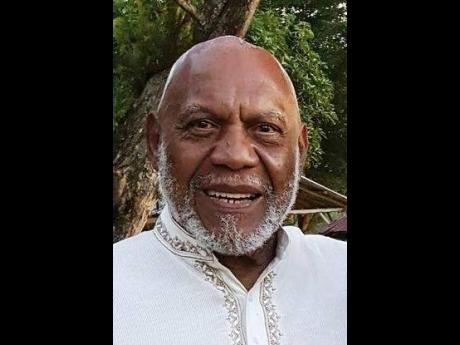
Allan Alberga is an attorney-at -law based in Atlanta and an engaged member of the Jamaican diaspora. He is a passionate and devoted Jamaican desirous of advancing the development of his beloved country. Send feedback to allanalberga@aol.com.