
Deborah Hickling Gordon | Brief history of seven cultural occurrences
Published:Monday | December 9, 2024 | 12:06 AM
In October HBO announced the release of Get Millie Black, a crime series written by acclaimed Jamaican novelist Marlon James. This announcement and the airing in November highlighted the enduring vitality of Jamaican culture, creativity, and global influence. Notably, October is Heritage Month, and one of the key elements of the celebrations is the recognition of cultural and creative practitioners for their invaluable service to the nation.
Art imitates life. The tensions of labour and capital, authority and the marginalised, work and leisure; and systemic master and enslaved relationships in former colonies are eternal cultural themes. Convergence of themes resonate within Jamaican stories, both historical and contemporary. In October emerged through real-life occurrences that presented a clear message to political and cultural leaders; a message perhaps lost amid the celebration of Jamaican-made entertainment products made with locally provided services.
James’ novel A Brief History of Seven Killings also explores themes of power, race, and corruption, with a narrative centred on the attempted assassination of the legendary Jamaican musician Bob Marley. In 2024, Marley’s posthumous legacy continued to captivate global audiences, with his biopic, exploring similar themes, topping box office sales.
CULTURE IN DEVELOPMENT POLICY
The seven October occurrences demand that those responsible for cultural leadership introduce a culture-in-development posture to their policy mix. This must begin by providing an update to the Jamaican public on the culture and creative economy policy and legislation; entertainment policy; and on the policy on reparations for enslavement. A re-emergence of racialised, even racist politics both in Jamaica and abroad reveals that it is important to also lead hard discussions with a wide cross-section of Jamaicans. It is time to connect the dots of cultural expression and cultural levity in Jamaica.
On October 1, the shooting at a bar in Bethel Town escalated concerns about safety at community events. Eight people were shot, and four of them were killed. Over the preceding seven months, similar attacks at community gatherings in nine nights, round robins, and fish fry events had taken place. These incidents, described as “collateral damage”, underscored the growing violence plaguing cultural observances and communal activities.
The Private Sector Organisation of Jamaica then proposed merging the Emancipation and Independence Holidays into a long weekend, a move backed by the mega party lobby. Initially, the proposal aimed to address labour productivity issues during holidays. However, it evolved into a debate about the significance of the holidays themselves, particularly within the private sector. The discussion illuminated a deeper concern about the relationship between culture and commerce, particularly how cultural observances might be overshadowed by industrial interests.
A shootout at the Mandeville Market in Manchester further underscored safety concerns. The attack left seven people injured, two fatally. The cultural significance of markets as crossroads of culture and commerce, especially in African-descended nations should not be lost. The shooting raised questions about safety in public spaces of recreation and trade, while also reinforcing the ongoing security challenges facing Jamaican communities.
In response, the member of Parliament organised a townhall meeting aimed at democratising decision-making. The shine of that decision was dulled by the dismissive posture of the minister of national security towards the lot of entertainment entrepreneurs. This came after the Jamaica Constabulary Force (JCF) announced a series of policing measures, including curfews that would shut down events in the area. The curfew, imposed as part of broader efforts to combat violence, drew criticism from the local entertainment community, highlighting the struggles promoters face in organising events across the island.
One Mandeville event promoter walked out of the meeting after the curfews were announced. Her passionate response went viral on social media. She detailed sentiment that resonates deeply with others in community entertainment. At the core of her lament was, “there is no one to speak for us”.
NATIONAL AWARD
Mid-October also saw the government’s announcement of a new category of National Award, the Order of the National Icon. The proposal sparked controversy, as it exposed a perception that some cultural practitioners’ contributions “fell short” of heroic status. This, combined with the private sector’s earlier revisionism, revealed an underlying tension in how Jamaican culture and heritage are perceived and treated by both public and private sectors.
The sixth significant occurrence was a threat by a senior JCF officer in St. James to ban a popular artiste from performing in the parish. The threat was linked to an incident where a motorist allegedly reversed into and fatally injured a police constable. The officer connected the incident to a song No Cap by dancehall artiste Eddie G includes a line that advocates violence against police officers. The JCF later reversed its stance, acknowledging that while they could not ban an artiste, they could deny entertainment licences to promoters hosting events where the artiste was performing. This situation highlighted the need for clearer guidelines and regulations governing the licensing of entertainment events in Jamaica.
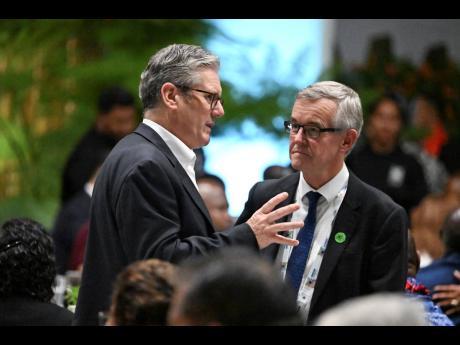
The seventh and final notable event occurred in Samoa, just ahead of the Commonwealth Heads of Government Meeting (CHOGM). The United Kingdom’s government refused to issue an apology for its role in the transatlantic trade in Africans, with Prime Minister Keir Starmer stating that he preferred to “look forward” rather than dwell on the past. This refusal, alongside the British government’s stance on reparations, reignited calls for the UK to acknowledge its historical role in the suffering of African-descended peoples and make reparations for its colonial past, and for Jamaica and the Caribbean to declare its position on the matter.
These seven events underscore the complex relationships that inform Jamaican culture, heritage, and its creative economy. Marlon James reminds us in the opening line of his novel: “Dead people never stop talking.” Even as political and cultural leaders remain silent on the connections between cultural expression and Jamaican identity, the voices of the past–through their stories, struggles, and sacrifices–continue to speak to us.
The absence of cultural policy interventions or engagement to address these issues reveals how little importance is placed on resolving them. This pattern of ignoring critical concerns, only to let them fade away as nine-day-wonders, has become a hallmark of contemporary Jamaican cultural and political leadership. The seven occurrences in October serve as a powerful reminder that cultural, social and economic issues are inextricably linked, and that neglecting them at the level of policy risks undermining the future of Jamaican culture, heritage and creative economy.
As the world calls for a systemic anchoring of culture through public policies through development strategies and frameworks, it is time for Jamaica to begin to take culture, expression and creativity seriously.
Deborah Hickling Gordon, PhD is coordinator of UWI Mona’s Bachelor of Arts in Cultural and Creative Industries programme, and the PNP spokesperson on culture and creative industries. Send feedback to columns@gleanerjm.com