
Multipronged efforts needed to combat climate change
Published:Tuesday | September 12, 2023 | 12:05 AM
THE EDITOR, Madam:
Rising temperatures are exerting a profound impact on the teaching-learning process, and posing challenges that educators, students, and policymakers must address urgently. As global climate change escalates, we are experiencing hotter and longer spells of heatwaves, which will affect education in several significant ways.
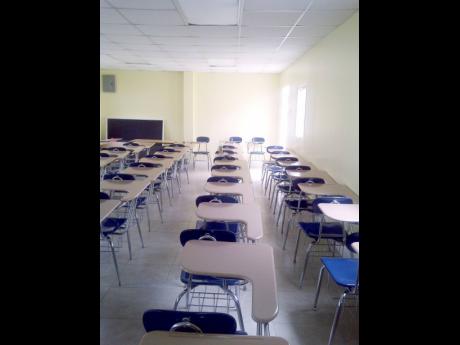
The scorching temperatures create discomfort and health risks in the classrooms. Unbearable heat can lead to heat-related illnesses, such as heat exhaustion and heatstroke. These health issues not only undermine well-being, but also disrupt the learning process, as students may struggle to concentrate and remain engaged in their studies. As an educator, I have noticed that it had become a challenge to teach effectively after lunch when the sweltering temperatures bear down, and students are uncomfortable and weary.
Moreover, the cognitive effects of extreme heat can impair students’ ability to learn effectively. Increased temperatures can lead to decreased attention spans, reduced memory retention, and diminished problem-solving skills. Consequently, educators may find it challenging to maintain the attention and participation of their students, hindering the overall quality of instruction.
The heat can also affect students’ attendance and academic performance. Heat-related illnesses may result in more frequent absences from school, disrupting the continuity of learning. Additionally, the discomfort and health risks associated with rising temperatures can lead to decreased motivation to attend school regularly. As a result, students may struggle to keep up with their studies, which can have long-term consequences on their academic performance and future prospects.
In response to these challenges, Jamaica must adopt a comprehensive strategy. This should include investing in climate-resilient school infrastructure with adequate ventilation and cooling systems, incorporating climate change education into the curriculum to raise awareness and promote sustainable practices, and implementing strategies to mitigate the health risks associated with rising temperatures. By addressing the educational implications of rising temperatures, Jamaica can ensure a more conducive and safe learning environment for its students and teachers. This proactive approach is essential for safeguarding the quality of education and fostering resilience in the face of escalating climate change impacts.
JUVELLE TAYLOR