
Almost 25 million jobs could be lost worldwide as a result of COVID-19 -ILO
Published:Wednesday | March 18, 2020 | 11:20 AM
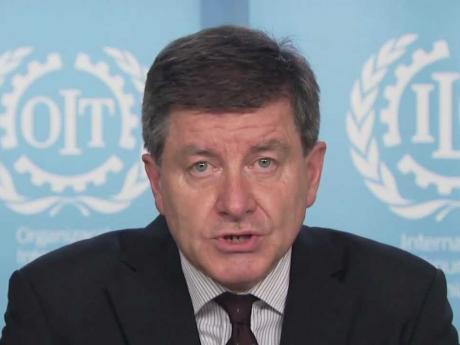
The economic and labour crisis created by the COVID-19 pandemic could increase global unemployment by almost 25 million, according to a new assessment by the International Labour Organization (ILO).
However, the ILO says if there is an internationally coordinated policy response, as happened in the global financial crisis of 2008/9, then the impact on global unemployment could be significantly lower.
It says the situation requires large-scale and coordinated measures across three pillars: protecting workers in the workplace, stimulating the economy and employment, and supporting jobs and incomes.
It further argues that these measures include extending social protection, supporting employment retention (i.e. short-time work, paid leave, other subsidies), and financial and tax relief, including for micro, small and medium-sized enterprises.
Based on different scenarios for the impact of COVID-19 on global GDP growth, the ILO says its estimates indicate a rise in global unemployment of between 5.3 million (“low” scenario) and 24.7 million (“high” scenario) from a base level of 188 million in 2019.
By comparison, the 2008-9 global financial crisis increased global unemployment by 22 million, the ILO noted.
Underemployment is also expected to increase on a large scale as the economic consequences of the virus outbreak translate into reductions in working hours and wages.
Self-employment in developing countries, which often serves to cushion the impact of changes, may not do so this time because of restrictions on the movement of people (e.g. service providers) and goods.
Falls in employment also mean large income losses for workers.
The ILO estimates that the fall may between US$860 billion and US$3.4 trillion by the end of 2020.
This will translate into falls in consumption of goods and services, in turn affecting the prospects for businesses and economies.
Working poverty is expected to increase significantly too, as “the strain on incomes resulting from the decline in economic activity will devastate workers close to or below the poverty line”.
The ILO estimates that between 8.8 and 35 million additional people will be in working poverty worldwide, compared to the original estimate for 2020 (which projected a decline of 14 million worldwide).
“This is no longer only a global health crisis, it is also a major labour market and economic crisis that is having a huge impact on people,” said ILO Director-General Guy Ryder.
“In 2008, the world presented a united front to address the consequences of the global financial crisis, and the worst was averted. We need that kind of leadership and resolve now,” he added.
Follow The Gleaner on Twitter and Instagram @JamaicaGleaner and on Facebook @GleanerJamaica. Send us a message on WhatsApp at 1-876-499-0169 or email us at onlinefeedback@gleanerjm.com or editors@gleanerjm.com.