
Trump is not immune from prosecution in his 2020 election interference case, US appeals court says
Published:Tuesday | February 6, 2024 | 11:42 AM
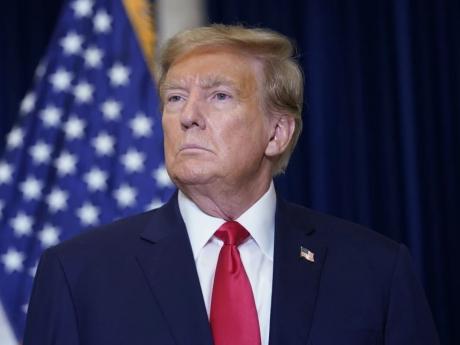
WASHINGTON (AP) — A federal appeals panel ruled Tuesday that Donald Trump can face trial on charges that he plotted to overturn the results of the 2020 election, rejecting the former president's claims that he is immune from prosecution and breathing life back into a landmark prosecution that had been effectively frozen while the court considered the arguments.
The decision marks the second time in as many months that judges have spurned Trump's immunity arguments and held that he can be prosecuted for actions undertaken while in the White House and in the run-up to January 6, 2021, when a mob of his supporters stormed the US Capitol.
But it also sets the stage for additional appeals from the Republican ex-president that could reach the US Supreme Court and result in further delays.
The one-month gap between when the appeals court heard arguments and when it issued its ruling has already created uncertainty about the timing of any trial in a calendar-jammed election year, with the judge overseeing the case last week cancelling the March 4 date that was initially set and not immediately scheduling a replacement one.
The judges gave Trump until February 12 to ask the Supreme Court to pause the ruling.
The trial date carries obvious and enormous political ramifications, with special counsel Jack Smith's team hoping to prosecute Trump this year and the Republican primary front-runner seeking to delay it until after the November election.
If Trump were to defeat President Joe Biden, he could presumably try to use his position as head of the executive branch to order a new attorney general to dismiss the federal cases or he potentially could seek a pardon for himself.
The unanimous ruling, which had been expected given the scepticism with which the three judges on the panel greeted the Trump team's arguments, was unsparing in its repudiation of the claim that a former president could be shielded from prosecution for actions taken while in office.
“Presidential immunity against federal indictment would mean that, as to the President, the Congress could not legislate, the Executive could not prosecute and the Judiciary could not review. We cannot accept that the office of the Presidency places its former occupants above the law for all time thereafter,” the judges wrote.
They also sharply rejected Trump's claim that “a President has unbounded authority to commit crimes that would neutralise the most fundamental check on executive power — the recognition and implementation of election results.”
“Nor can we sanction his apparent contention that the Executive has carte blanche to violate the rights of individual citizens to vote and to have their votes count,” they wrote.
Follow The Gleaner on X, formerly Twitter, and Instagram @JamaicaGleaner and on Facebook @GleanerJamaica. Send us a message on WhatsApp at 1-876-499-0169 or email us at onlinefeedback@gleanerjm.com or editors@gleanerjm.com.